
Why Cows and Solar Don’t Always Get Along in the Texas Hill Country

Out here in the Texas Hill Country, it’s pretty common for solar arrays to share space with cattle. Land is land, and most properties are working ranches first and foremost. But after installing and servicing systems across this area, we’ve learned one thing the hard way:
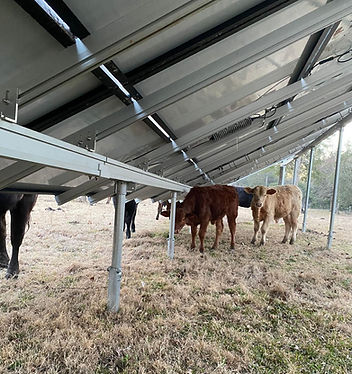
Cows and solar equipment don’t always mix.
They’re not being malicious—just curious, heavy, and a little slobbery.
Cows Are Big… and They Like to Lean
A full-grown cow can weigh well over a thousand pounds. When they decide a solar post or disconnect box looks like a good place to rub, lean, or scratch, things can shift.
We’ve seen:
Posts slowly pushed out of plumb
Racking loosened over time
Panels knocked slightly out of alignment
Solar systems are built tough for Hill Country wind and weather—but not for daily cow “massages.”
Curiosity (and Cow Snot) Can Shut a System Down
Cows are nosy. If something is new, smells different, or sticks up out of the ground, they’re going to investigate.
In the video below, Michelle shares what actually happened — and why livestock and solar equipment don’t always play nicely together.
Problem solved—but lesson learned.
Whether it’s cows leaning, licking, scratching, or just being curious, small interactions can lead to unexpected shutdowns and service calls if systems aren’t properly protected.
The good news? With smart layout, proper fencing, and equipment placement that takes livestock into account, solar and ranching can absolutely coexist — without surprise visits from the utility company.
Mud, Manure, and Maintenance
Anywhere cows spend time turns into mud eventually. That creates challenges like:
Mud splashed onto lower panels, reducing production
Manure buildup around posts and equipment
Tough access when it’s time for service or inspections
None of this is catastrophic, but it does increase maintenance and long-term wear.
Safety Matters — for People and Livestock
Solar systems are safe when everything is intact and protected. But when cattle get involved:
Conduit can be chewed or knocked loose
Disconnects and junction boxes can be damaged
Exposed components become a safety concern
Keeping cows out of critical equipment areas protects everyone.
Fencing Isn’t Optional (Most of the Time)
In the Hill Country, we almost always recommend fencing ground-mounted arrays if cattle are present. It adds some upfront cost, but it:
Prevents damage
Reduces service calls
Extends the life of the system
In the long run, it’s usually money well spent.
Smarter Options for Ranch Properties
If you’re planning solar on a working ranch, a little strategy goes a long way:
Place ground mounts in areas not actively grazed
Fence off arrays and electrical equipment
Install solar on barns, shops, or metal buildings
Consider sheep instead of cattle if grazing near solar is important
Sheep? Great.Cows? Well… you’ve heard the story.
The Hill Country Takeaway
Solar works beautifully in the Texas Hill Country—but our land, livestock, and lifestyles are unique. Designing a system that fits how you actually use your property is just as important as the panels themselves.
And sometimes, it’s not a wiring issue or a bad part.
Sometimes… it’s cows.


Comments