
Off-Grid Power in Texas: Why Solar, Batteries, and a Generator Work So Well Together


From hunting cabins tucked away on a ranch to full-time homes miles from the nearest power line, we’re hearing from more Texans who want to live off the grid.
The reasons vary. Bringing utility power to a remote property can be expensive. Some owners want a quiet weekend retreat. Others are building a permanent home and want control over their own power supply.
Whatever the motivation, one combination deserves a close look: solar panels, battery storage, and a backup generator. Each brings something different to the job—and together, they offer a practical way to power life beyond the utility lines.

Solar Makes the Power. Batteries Make It Available After Sunset.
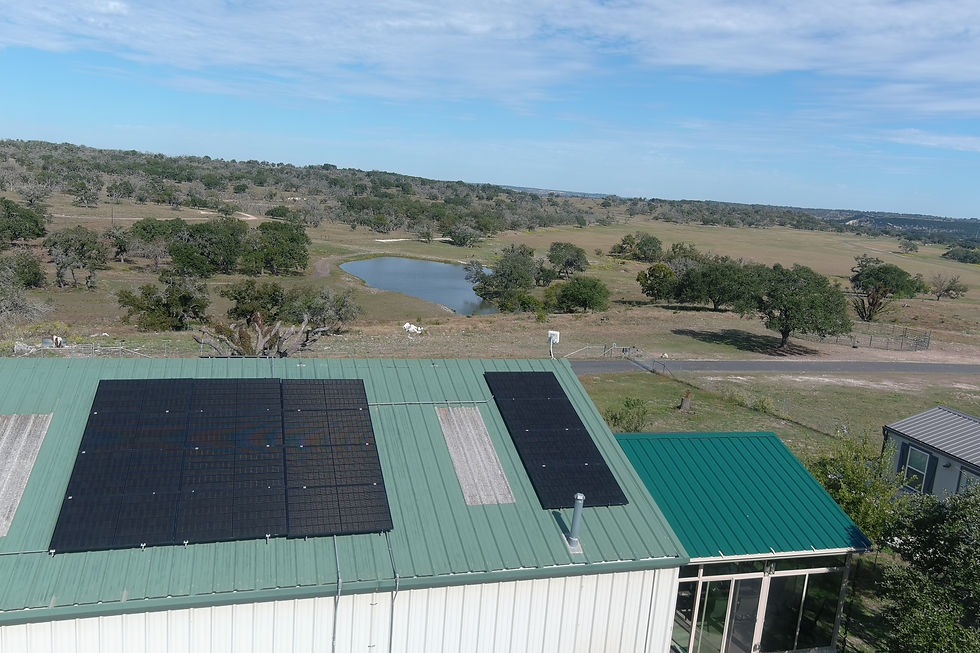
Solar panels generate electricity during daylight hours. That energy can power your property while extra production charges the batteries. When the sun goes down, the batteries supply stored energy for nighttime use. They can also help cover periods when solar production falls below demand.
For a hunting cabin, that might mean keeping the refrigerator running overnight, charging phones, and enjoying lights and fans without listening to a generator.
For a full-time home, the same principle applies, but the system needs to support a much larger daily routine: cooking, laundry, cooling, water pumping, and everything else that makes a house comfortable.
The equipment should match how you actually use the property.

A Generator Covers the Gaps
Texas has plenty of sunshine, but an off-grid system still needs a plan for several cloudy days, a stretch of unusually high electricity use, or a cold snap.
That’s where the generator earns its place.
With the right equipment and integration, a generator can supply household loads and recharge the batteries when solar production isn’t enough. Compatible systems can also start and stop the generator automatically based on battery charge or other operating conditions.
Once the batteries have recovered, they can take over again, allowing the generator to shut down.
Using your backup generator is part of a well-planned off-grid system. Its job is to provide another source of energy when you need it.
Why the Combination Can Make More Sense Than Either Approach Alone
Relying entirely on a generator means burning fuel whenever it runs, along with the noise, maintenance, and refueling that come with it.
Relying entirely on solar and batteries is possible, but covering extended periods of poor weather may require substantially more equipment.
A combined system gives you another option: size solar and batteries around everyday needs, then use the generator to cover longer shortfalls. Depending on your property and expectations, that can offer a more practical balance between upfront cost, fuel use, and convenience.
The tradeoff matters. A smaller solar and battery system may cost less initially but require more generator runtime. Investing in more solar and storage may reduce that runtime. The right balance depends on your budget and how you want to live.
Hunting Cabin or Full-Time Home? The Details Matter.
A weekend cabin and a home occupied every day need different plans—but square footage alone won’t tell us how much power either one needs.
A small cabin with electric heat, air conditioning, and a deep well pump can be more demanding than its size suggests. A larger, efficient home with carefully chosen appliances may be easier to power than expected.
For a hunting cabin, we’ll want to know what stays on while you’re away and what happens when everyone arrives for the weekend. Refrigerators, freezers, pumps, and air conditioning all belong in that conversation.
For a full-time home, we also need to understand seasonal demand, which appliances run together, and whether future plans include a workshop, guest cabin, or electric vehicle.
There are two questions to answer: how much energy do you need over the day, and how much power do you need at one time? A system needs to handle both.

Plan the Home Along with the Power System
If you’re building, involving your solar installer early can make a real difference.
Insulation, efficient heating and cooling, appliance choices, and a sunny location for the panels all affect the system you’ll need. Scheduling flexible jobs—such as laundry or water pumping—during sunny hours can also help make better use of solar production.
Off-grid living still requires upkeep. Batteries and inverters need appropriate installation conditions, and the generator needs fuel, maintenance, and regular exercise. A good design includes a realistic plan for all of it.

Start With How You Want to Use the Property
At Greater Texas Solar, we help property owners across the Texas Hill Country explore off-grid power for cabins, ranches, and full-time homes.
Our starting point is simple: What do you want to power, and how do you want to live?
From there, we can help you find the right balance of solar production, battery storage, and generator support.
Planning an off-grid property? Contact Greater Texas Solar before you build—or before you buy equipment—so we can help you put the pieces together.


Comments